Retirement can feel isolating if you're not intentional about building connections. One day you're surrounded by colleagues, the next you're wondering who to have coffee with. But here's the thing — you're not alone in that feeling, and there's an entire community of people your age looking to meet others just like you.
The Wild Atlantic Way stretches over 1,600 kilometers along Ireland's west coast, and it's become more than just a scenic route. It's a corridor where peer support groups, walking clubs, and community meetups have sprouted up in towns and villages from Donegal to Cork. Whether you're in Galway, Sligo, Kerry, or Mayo, there's likely something happening near you.

Why Peer Support Matters in Retirement
Loneliness isn't just uncomfortable — it affects your health. Studies show that social isolation increases the risk of depression, heart disease, and cognitive decline. When you're part of a group with people going through similar life changes, you're getting more than just company. You're getting practical advice, emotional support, and the reassurance that what you're experiencing is normal.
Walking Groups: Built-In Social Time
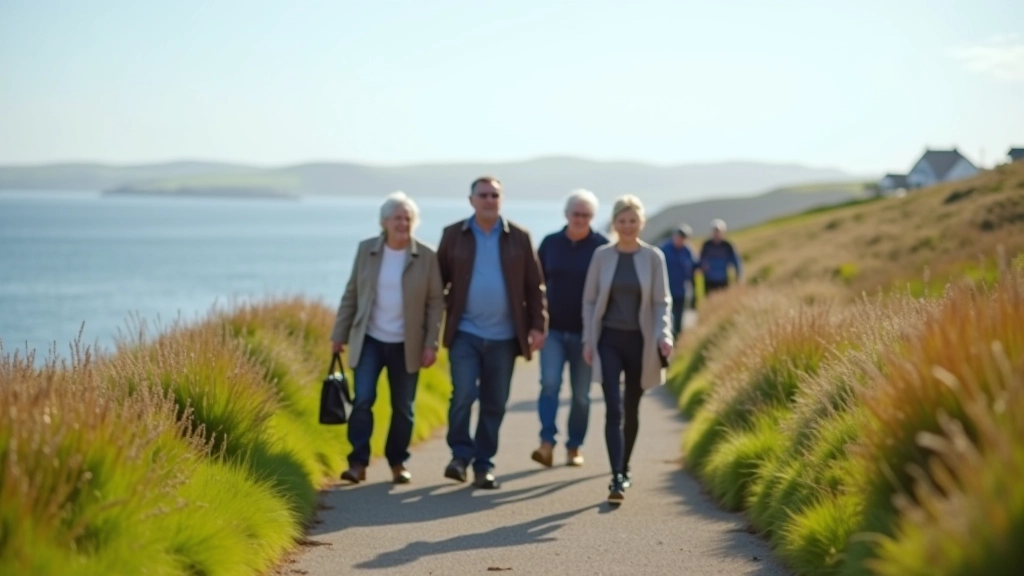
Walking clubs are everywhere along the coast, and they're perfect for people transitioning into retirement. You get exercise, fresh air, and conversation without the pressure of a formal social commitment. Most groups meet once or twice a week, usually in the morning or early afternoon.
What's nice about walking groups is that you're not sitting face-to-face struggling to maintain conversation. You're moving together, which takes the awkwardness out of meeting new people. You'll talk about the weather, the view, what you had for breakfast, and before you know it you've found people you actually want to spend time with. The best part? It's free or costs just a few euros per session.
- Most groups welcome beginners of all fitness levels
- Regular schedules make it easy to commit
- You'll often find the same people each week

Structured Groups: Where Real Conversations Happen
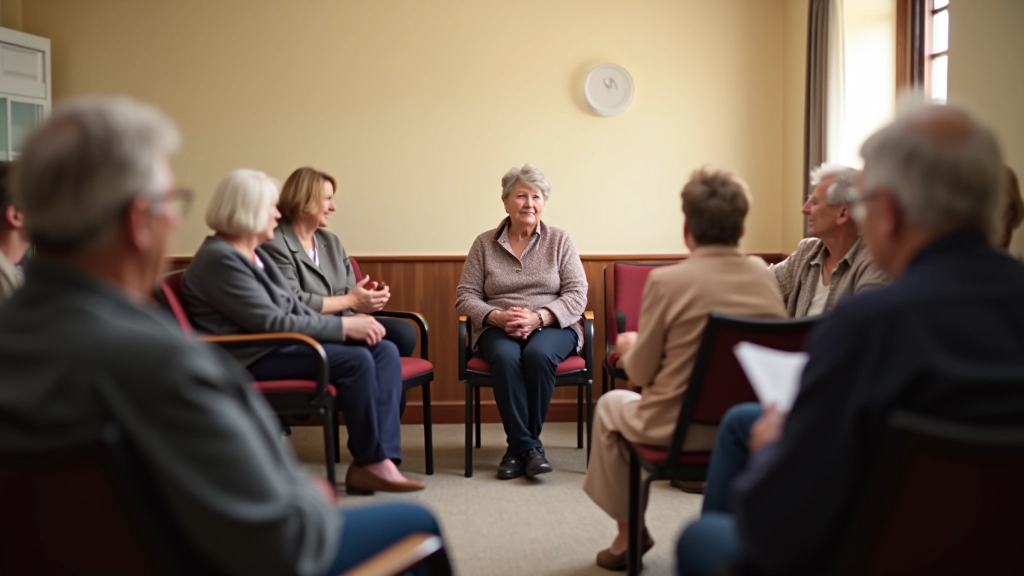
Beyond casual walking, you'll find retirement peer support groups in libraries, community centers, and churches across the Wild Atlantic Way region. These meet weekly or monthly and follow a structure — maybe they discuss how to manage the first year of retirement, share hobbies, or tackle practical topics like finances or health changes.
The advantage of a structured group is that someone's running it, so there's accountability. You know when you're meeting, where, and what you'll be discussing. People tend to stick around because there's a rhythm to it. And because the group's focused on a specific topic, the conversations go deeper. You're not just making small talk — you're actually exploring what retirement means, what you miss about work, what excites you about what's next.
Many groups are facilitated by retired counselors or trained peer supporters who've been through retirement themselves. They get it. They're not there to fix you — they're there to create a safe space where you can talk honestly.
Finding Groups in Your Area
Start by checking your local community center, library, or parish bulletin. Ask your GP's office — they often have notices for local groups. Search online for "[Your Town] + retirement groups" or "[Your Town] + walking clubs." Don't worry if the first group you try isn't perfect. Sometimes you need to test a couple before finding your people.
Special Interest Clubs: Finding Your Passion
Maybe structured retirement groups aren't your thing. That's fine. You might connect better through something specific — a book club, a photography group, a gardening club, or a history society. When you're focused on an activity you actually enjoy, friendships develop naturally.
The West of Ireland has a strong tradition of hobby clubs and societies. You'll find bird-watching groups in Galway, painting classes in Sligo, sailing clubs along the coast, and crafting circles in smaller towns. These attract people across ages, but you'll often find others around your age who've also stepped back from work and are exploring interests they didn't have time for before.
The beauty of joining through a shared interest is that you've got something in common from day one. You're not meeting because you're retired — you're meeting because you love photography or books or hiking. That changes the whole dynamic.

A Note on Peer Support
Peer support groups are wonderful for connection and shared experience, but they're not a substitute for professional mental health support. If you're experiencing depression, anxiety, or significant difficulty adjusting to retirement, talk to your GP. They can refer you to counseling or therapy if needed. Peer support works best alongside professional care when it's needed.
Your Tribe Is Out There
Finding your people takes a bit of effort, but it's one of the most important things you can do for your retirement. You don't have to figure this out alone. There are hundreds of people along the Wild Atlantic Way having the same thoughts you're having right now — wondering if they'll be lonely, hoping to meet someone who gets what they're going through, looking for a reason to get out of the house on a Tuesday morning.
Start small. Pick one walking group or club and commit to three sessions. Give it time. You'll know pretty quickly if it's the right fit. And if it's not? Try another. The fact that you're looking for connection means you're already halfway there.
Ready to explore what's available in your area?
Get in Touch With Our Team